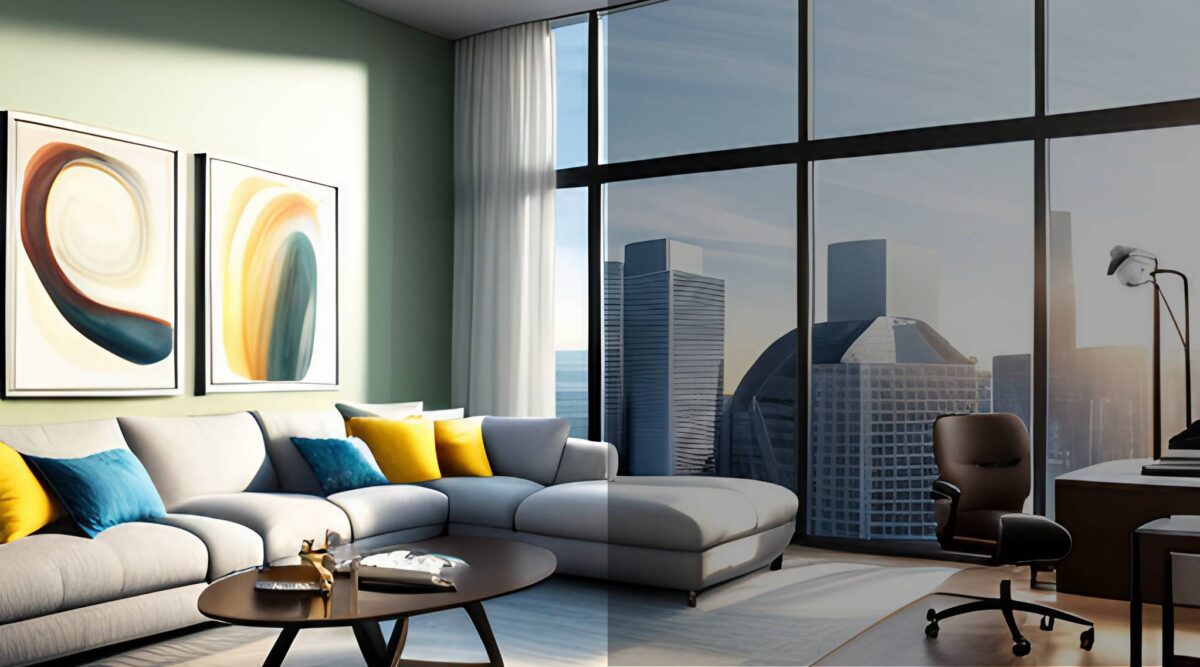
When summer arrives, keeping your home cool becomes a top priority. As temperatures rise, many homeowners start searching for effective ways to maintain comfort without driving up energy costs. One popular solution is window films. But do window films really help keep your home cool during the scorching summer months?

In this article, we will explore how window films work, their benefits, and why they might be the perfect solution for your home. We’ll also address some common questions and considerations to help you make an informed decision.
What Are Window Films?
Window films are thin layers of polyester or similar materials applied to the interior or exterior of glass surfaces. They are designed to enhance the performance of windows by reducing glare, blocking harmful UV rays, and improving energy efficiency.
Types of Window Films
There are various types of window films available, each serving specific purposes. Understanding these can help you choose the right one for your home:
- Solar Control Films: These films are designed to reduce heat and glare while blocking harmful UV rays. They are perfect for keeping your home cooler in summer.
- Security Films: These films add an extra layer of protection by holding shattered glass together, reducing the risk of injury during break-ins or natural disasters.
- Decorative Films: Ideal for enhancing the aesthetic appeal of your windows, these films come in various patterns and colors.
- Privacy Films: These films offer increased privacy by making it difficult for outsiders to see into your home.

How Do Window Films Keep Your Home Cool?
Blocking Heat and UV Rays
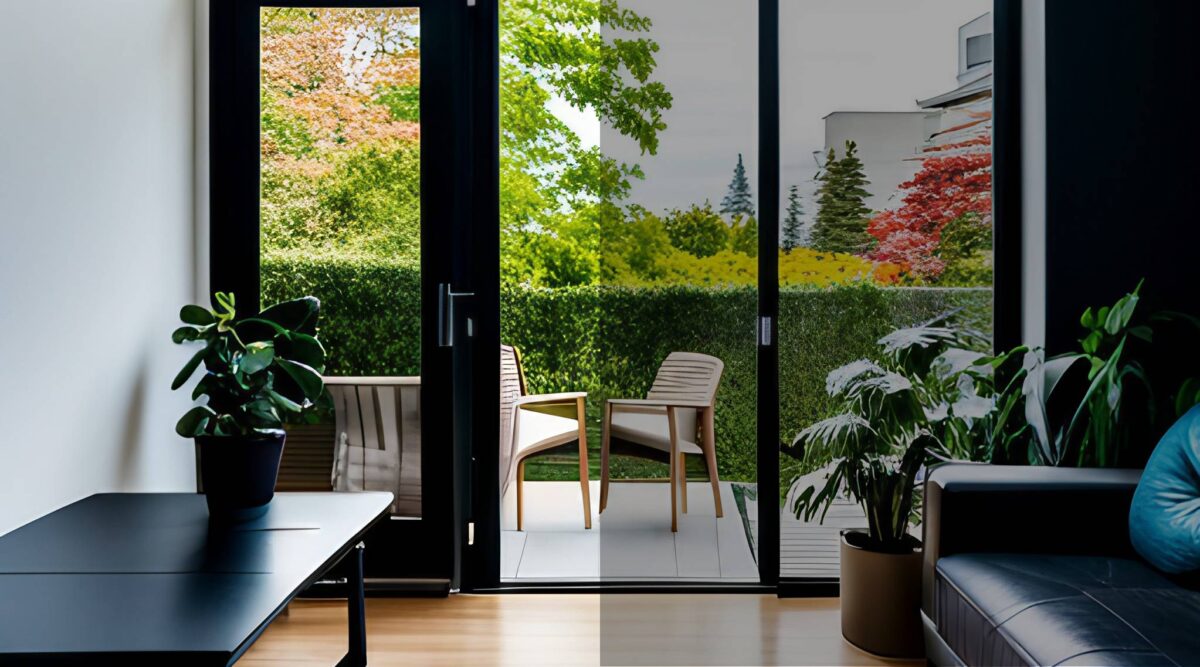
One of the primary functions of window films is to reduce the amount of solar heat that enters your home. Solar control films are particularly effective in blocking a significant portion of the sun’s heat, which can account for a large percentage of unwanted heat during summer.
By blocking up to 80% of solar heat and 99% of harmful UV rays, window films help maintain a cooler indoor temperature and protect your furnishings from fading.
Reducing Glare
Window films can also reduce glare, which is particularly beneficial in rooms with televisions or computers. This not only enhances comfort but also reduces the need for artificial lighting during the day, contributing to energy savings.
Enhancing Energy Efficiency
With reduced heat gain, your air conditioning system doesn’t have to work as hard to maintain a comfortable temperature. This can lead to noticeable energy savings, especially during peak summer months.
Benefits of Installing Window Films
- Cost-Effective Cooling Solution: Compared to replacing windows or installing expensive cooling systems, window films offer a budget-friendly alternative to improve home comfort.
- Quick and Easy Installation: Professional installation of window films is generally quick and non-invasive, making it an attractive option for homeowners looking for immediate benefits.
- Improved Aesthetics and Privacy: With a variety of styles available, window films can enhance the look of your home while providing additional privacy.
- Protection Against UV Damage: Prolonged exposure to UV rays can damage interior furnishings and flooring. Window films act as a protective shield, extending the life of your interiors.
- Enhanced Security: Security films can deter break-ins and protect against glass shattering, providing peace of mind.
Choosing the Right Window Film for Your Home
Factors to Consider
When selecting window films, consider the following factors to ensure they meet your specific needs:
- Climate: Different films perform better in varying climates. Solar control films are most effective in hot climates.
- Window Orientation: South and west-facing windows typically receive more sunlight and may benefit most from solar control films.
- Aesthetic Preferences: Choose films that complement your home’s decor and style.
Professional Installation vs. DIY
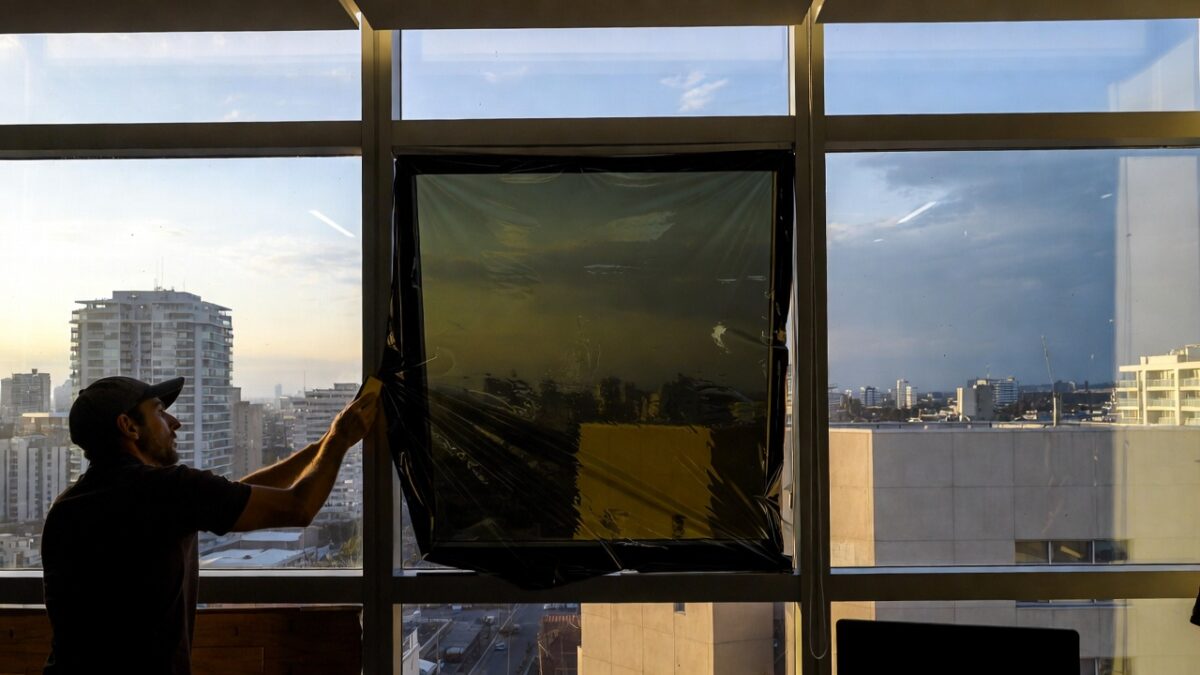
While DIY window film kits are available, professional installation is often recommended for the best results. Experienced installers can ensure that films are applied without bubbles or creases, maximizing their effectiveness and lifespan.

by 烧不酥在上海 老的 (https://unsplash.com/@geraltyichen)
Common Questions About Window Films
Do Window Films Affect Natural Light?
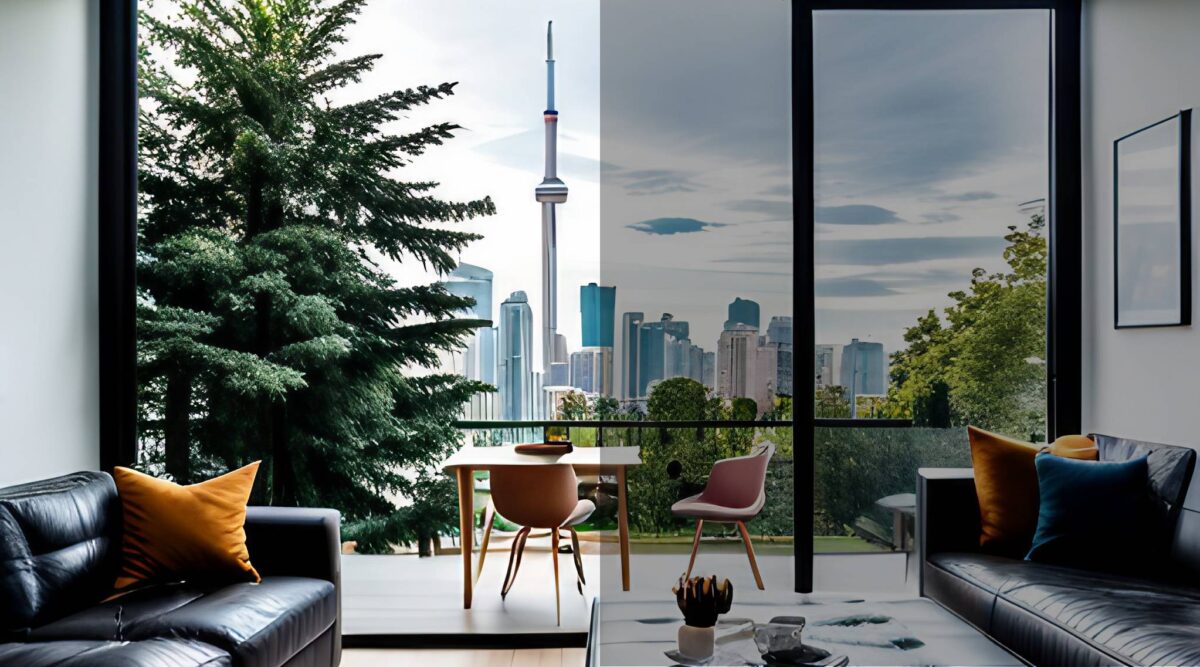
Quality window films are designed to reduce heat and glare without significantly affecting the amount of natural light entering your home. You can enjoy a well-lit space while benefiting from cooler temperatures.
How Long Do Window Films Last?
With proper installation and care, window films can last for up to 10-15 years. Their longevity depends on factors such as film quality, window orientation, and exposure to the elements.
Can Window Films Be Removed?
Yes, window films can be removed if desired. However, removing them may require professional assistance to avoid damaging the glass.
Conclusion
Window films offer an effective, cost-efficient solution for keeping your home cool during summer. By blocking heat and harmful UV rays, they not only improve indoor comfort but also enhance energy efficiency and protect your interiors.
Whether you’re an interior designer seeking eco-friendly solutions or a homeowner looking to reduce energy bills, window films are a worthwhile investment. Consider consulting with a professional installer to explore the best options for your home and enjoy a cooler, more comfortable living space this summer.